100 songs, four obsessions,
one mood.
All-time top tracks
Method · honest tabulation
A close reading of my Spotify all-time top 100. The data is unflattering in the way honest data tends to be: a stable, narrow palette built up over a decade, anchored on four artists, weighted toward the kind of music that flatters a long drive at dusk.
Spotify · Made for ramiefathy
Your All-Time Top Songs
Personalized playlists aren't publicly embeddable; the link opens it in your Spotify account.
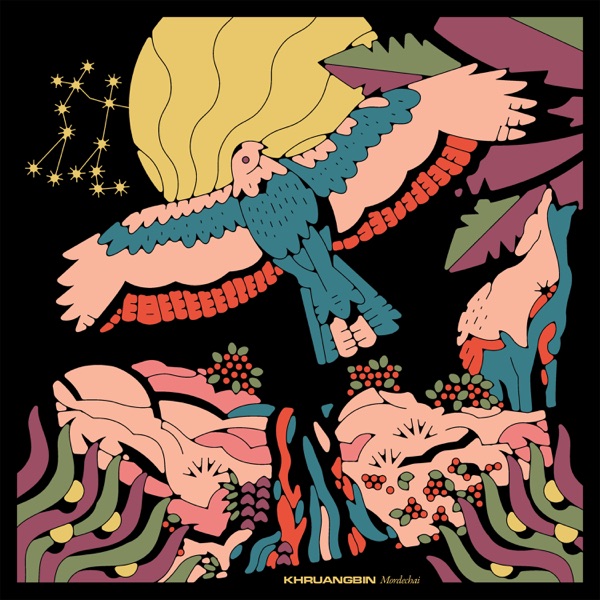
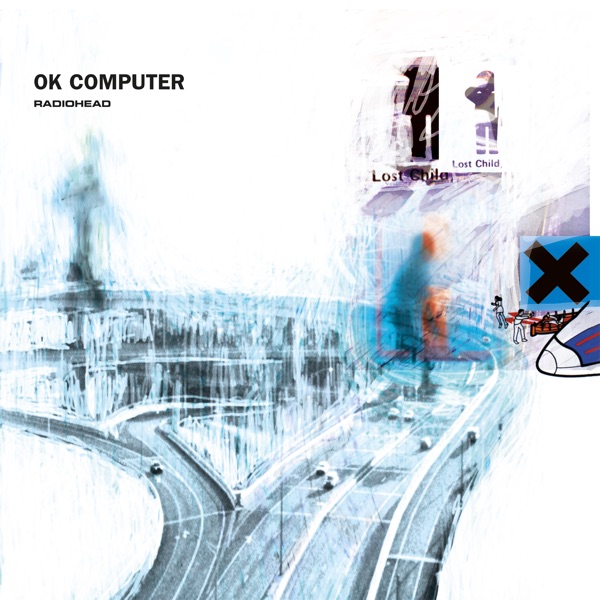
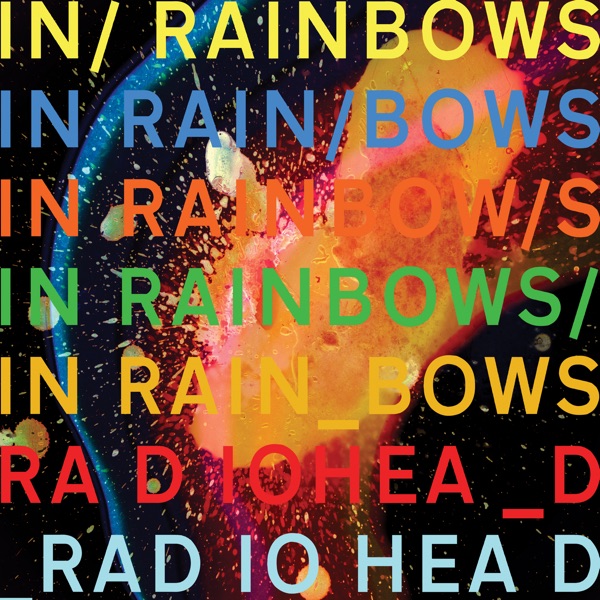
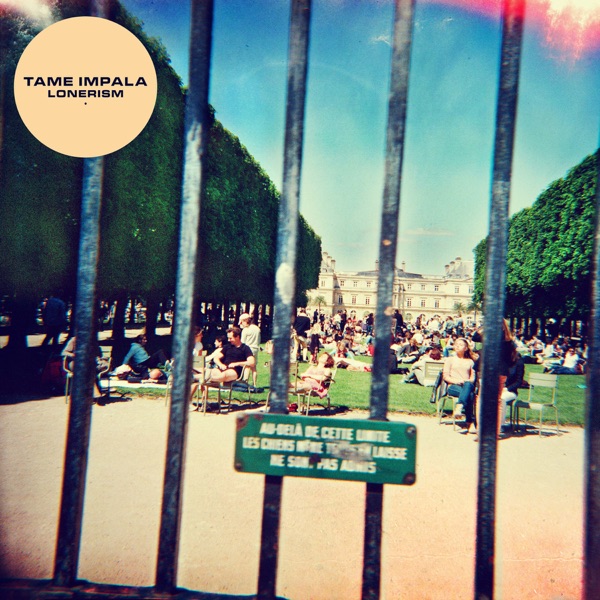
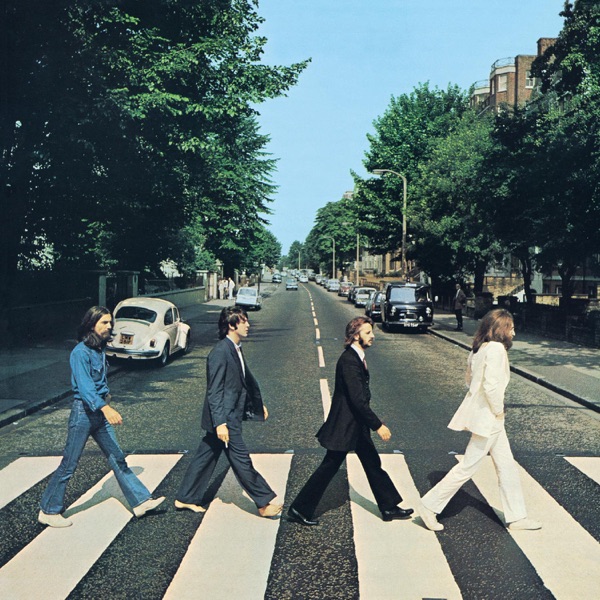
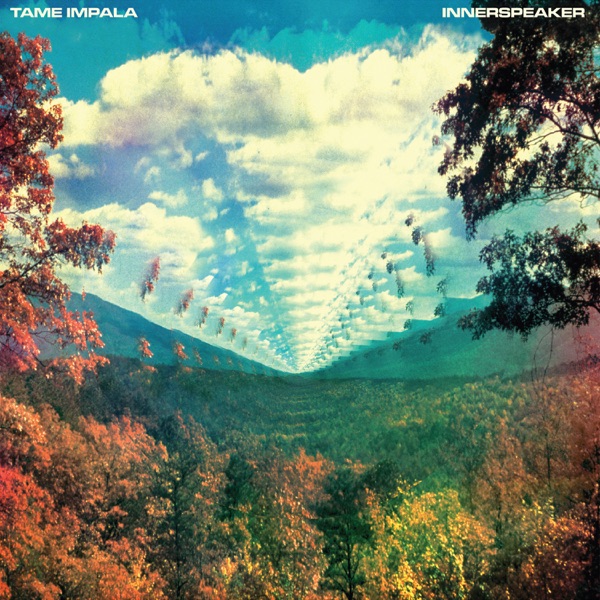
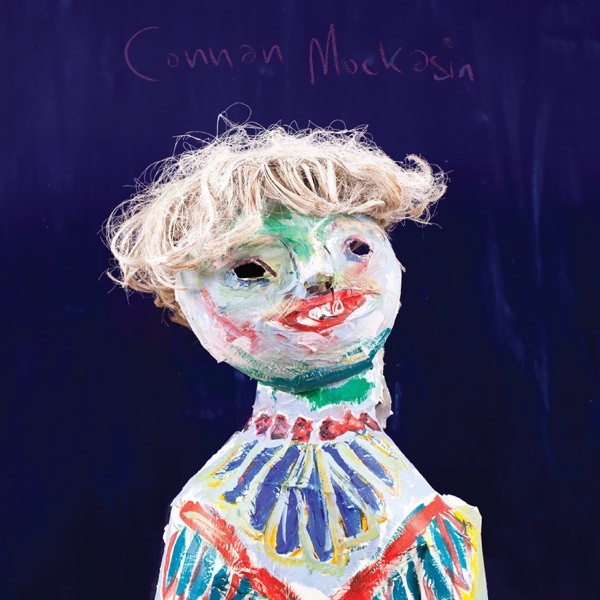
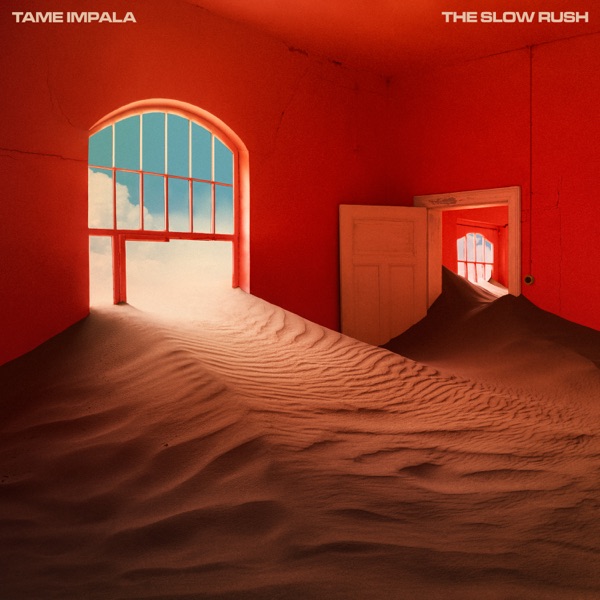
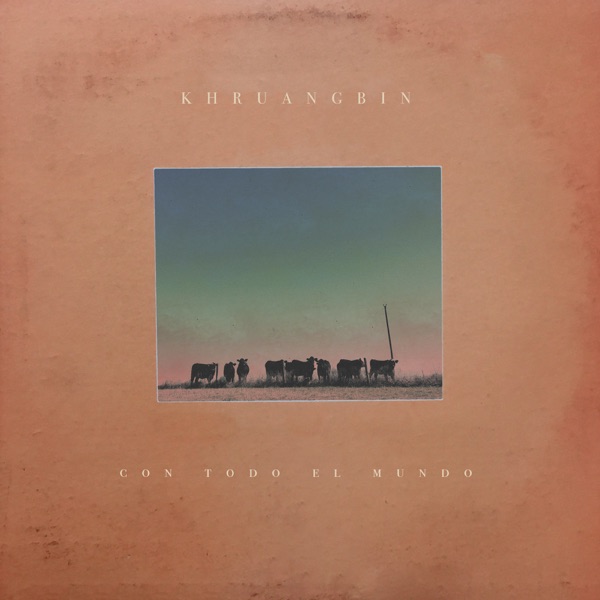
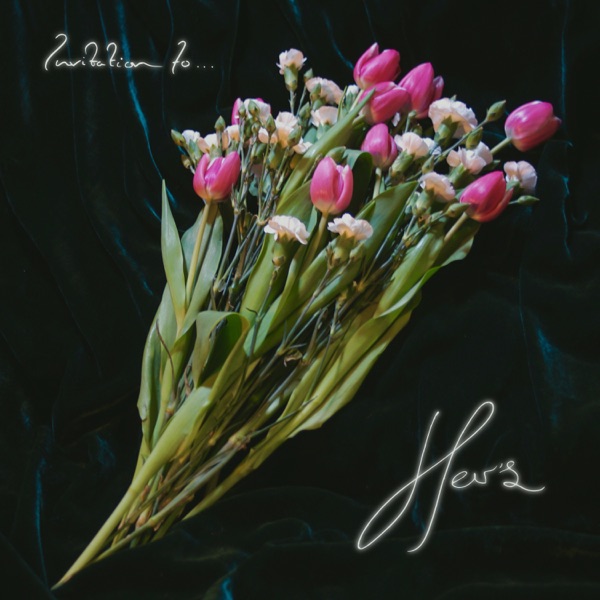
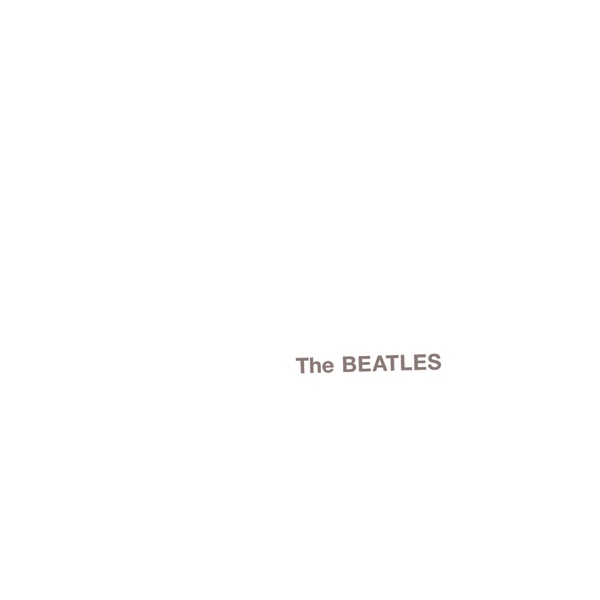
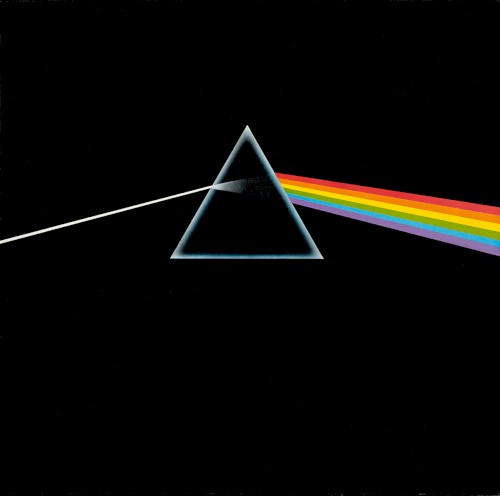
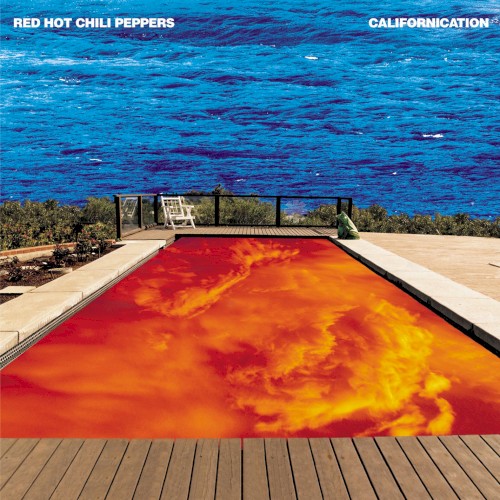
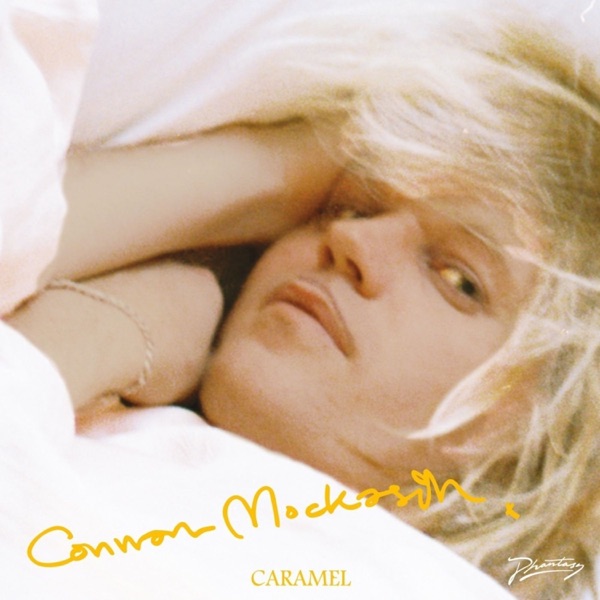
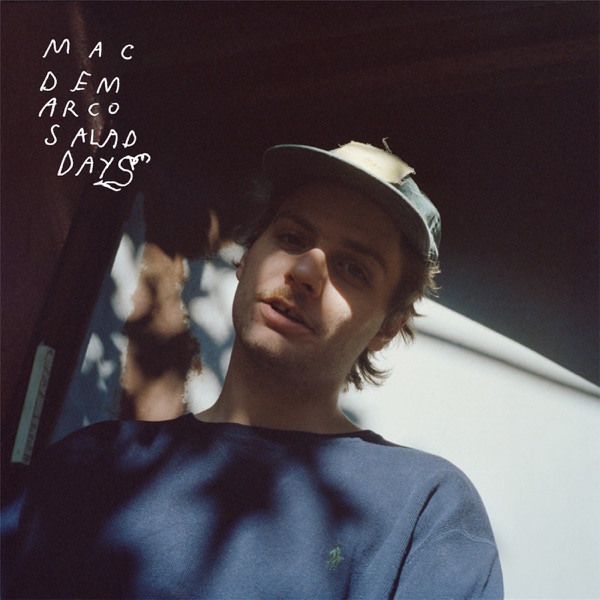
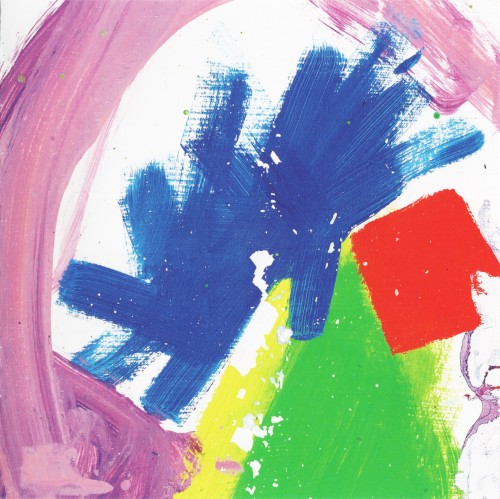
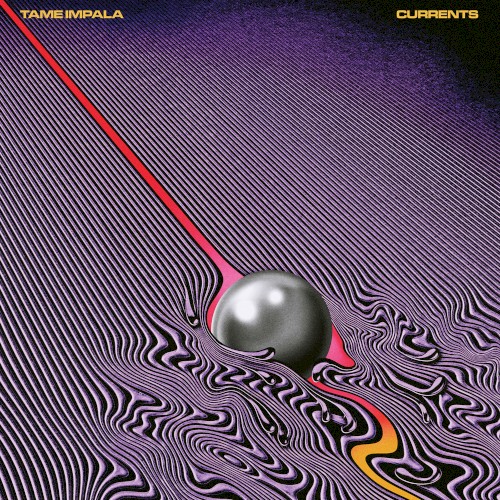
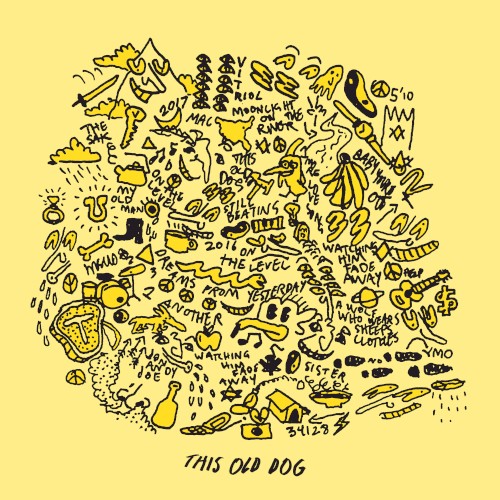
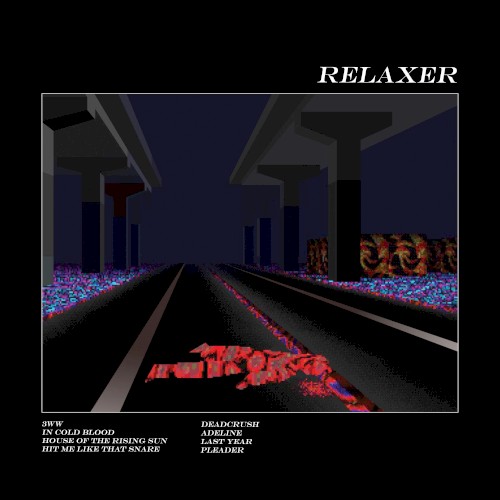
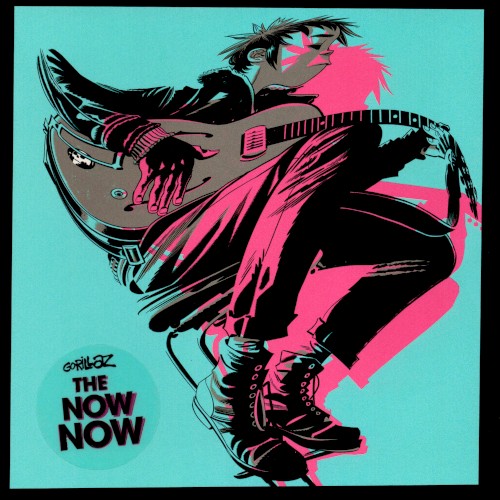
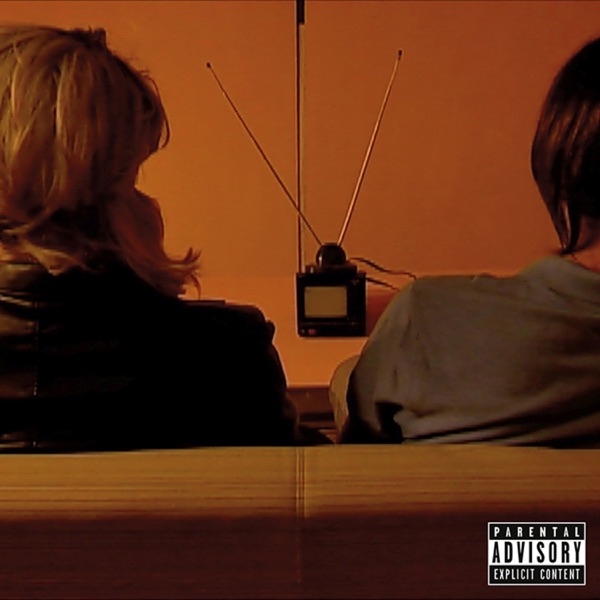
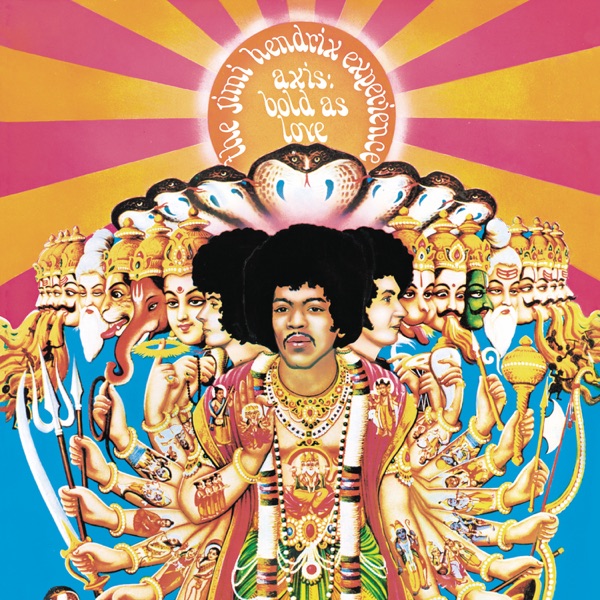
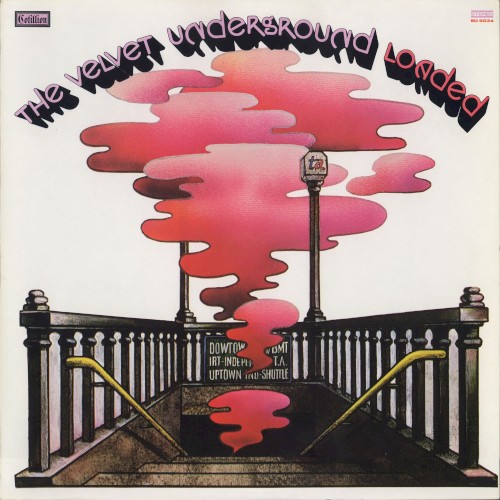
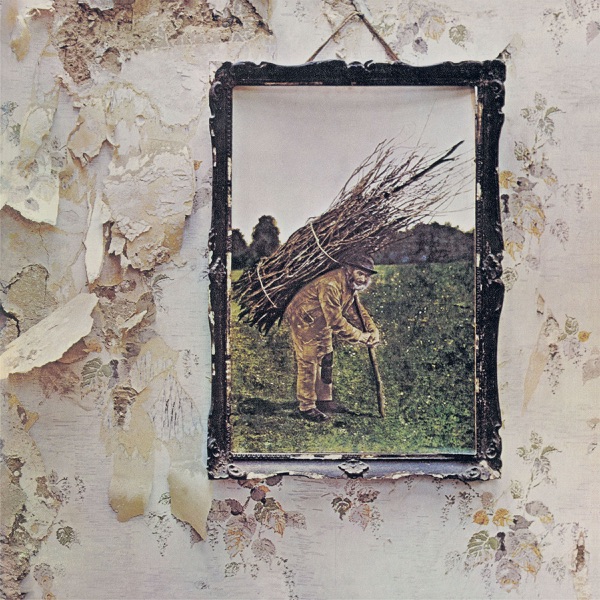
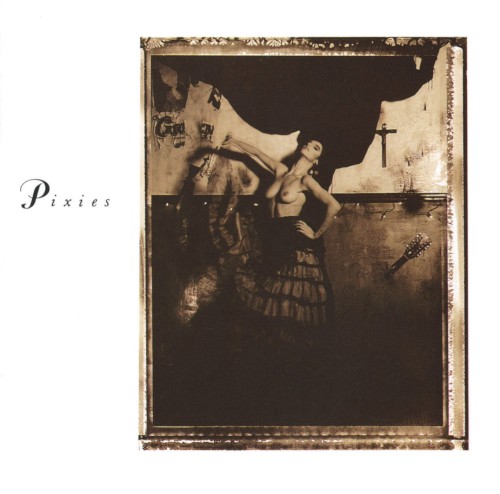
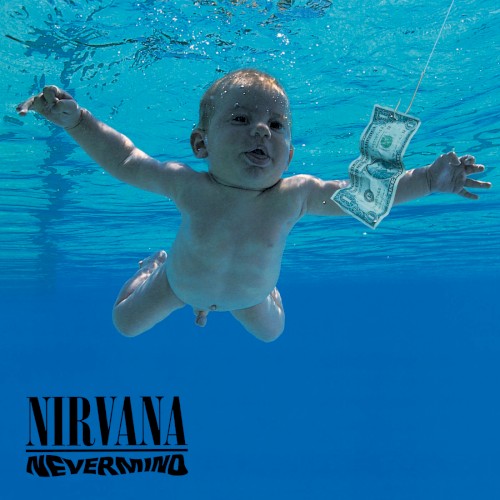
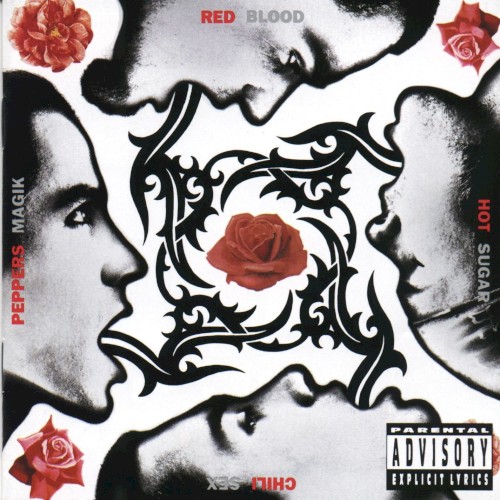
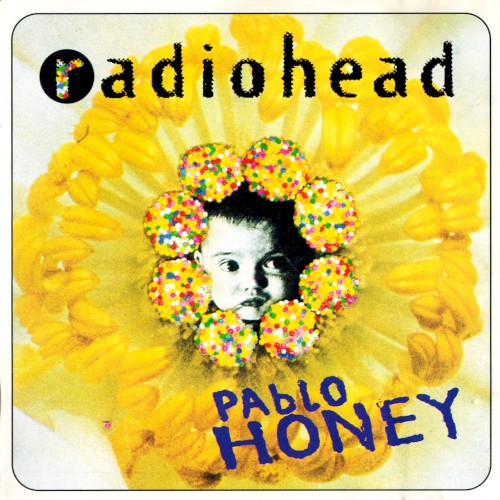
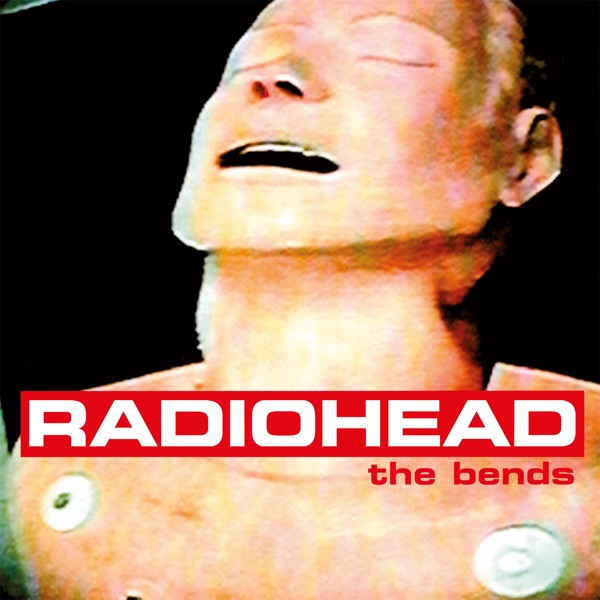
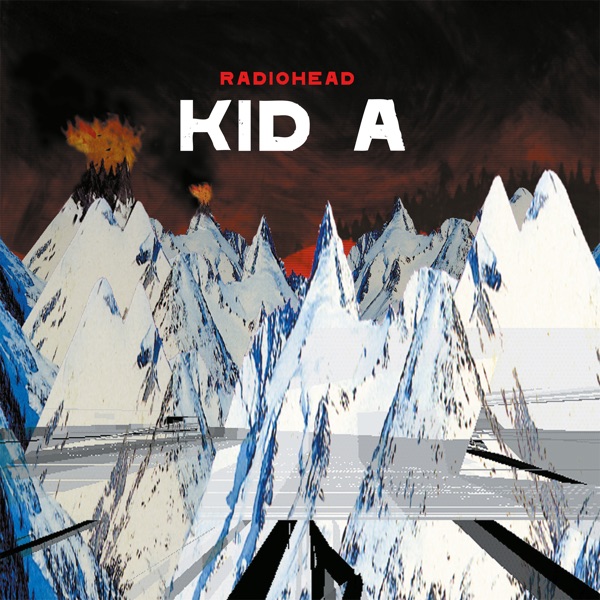
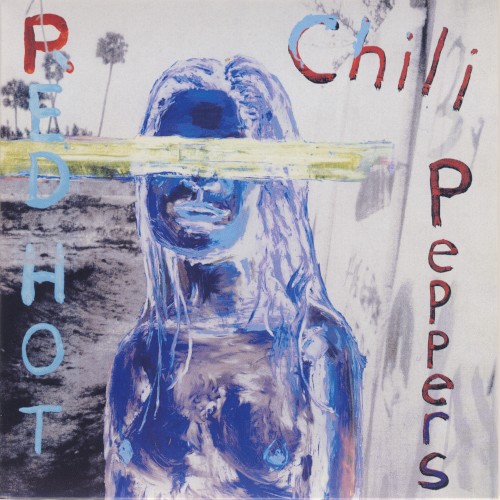
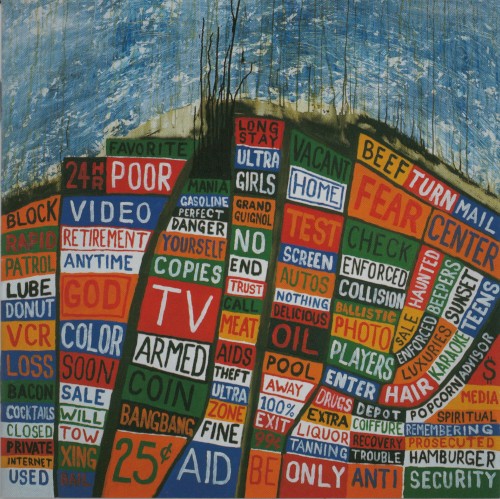
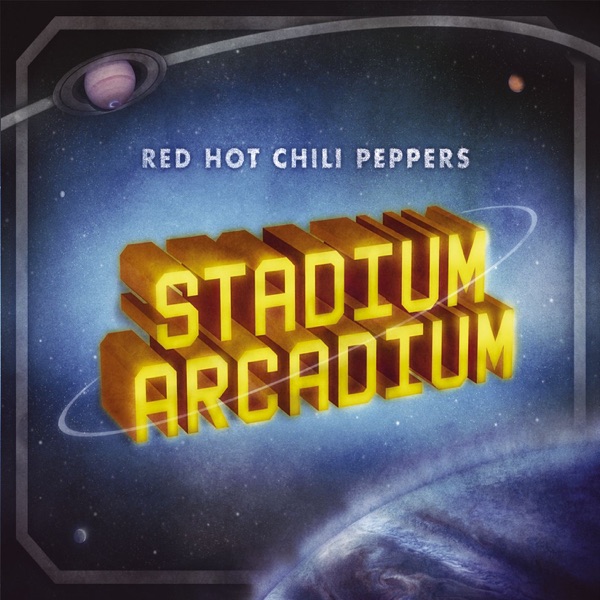
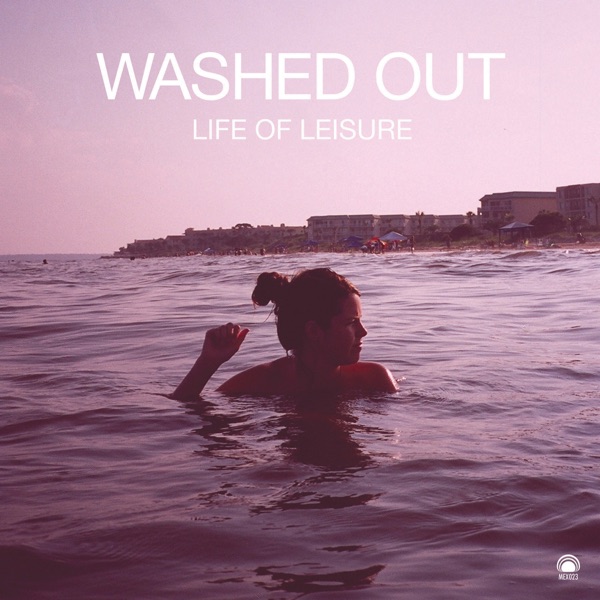

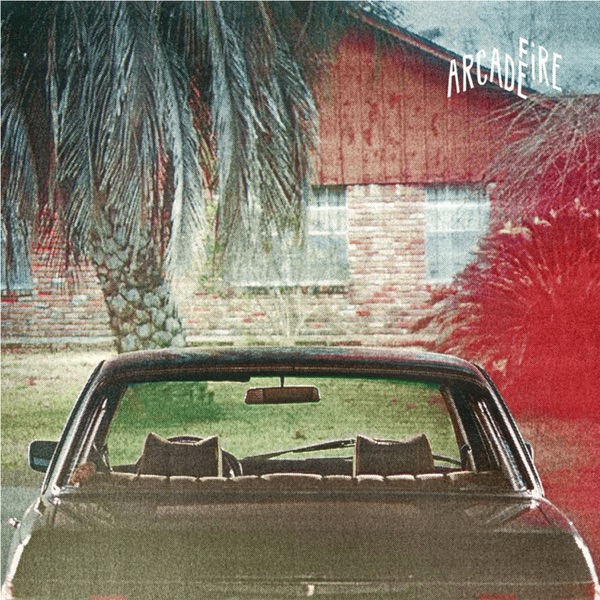
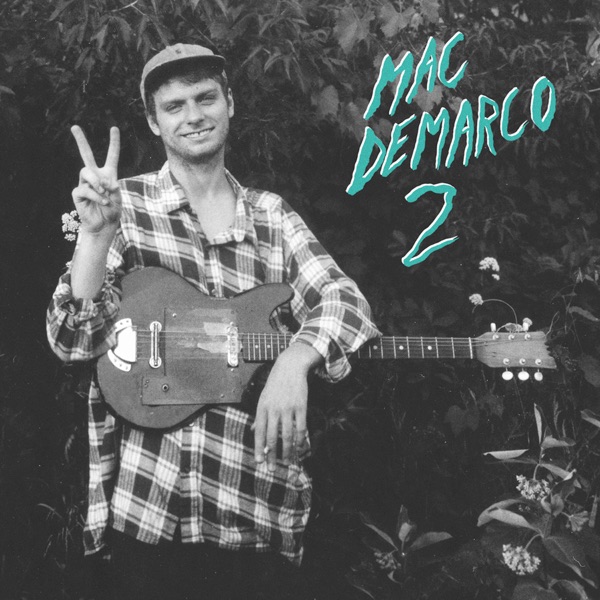

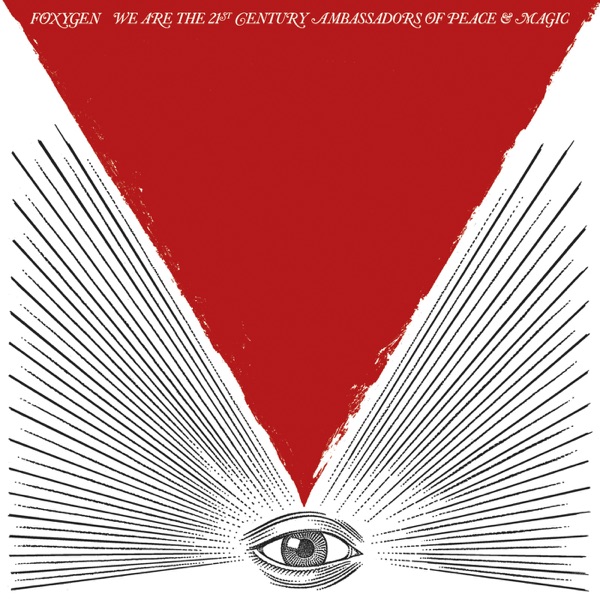
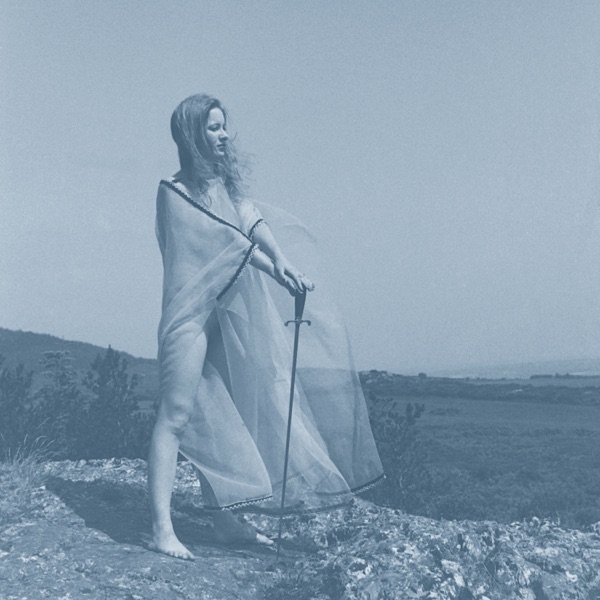
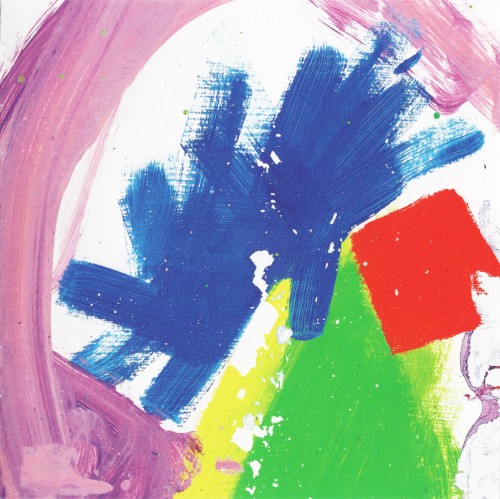
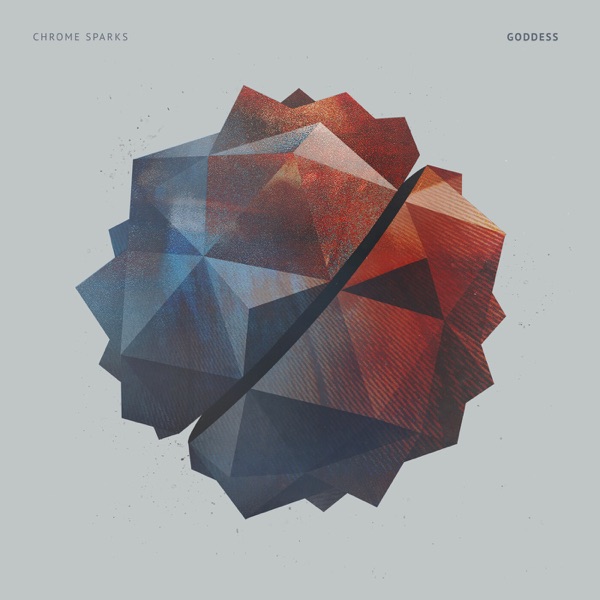
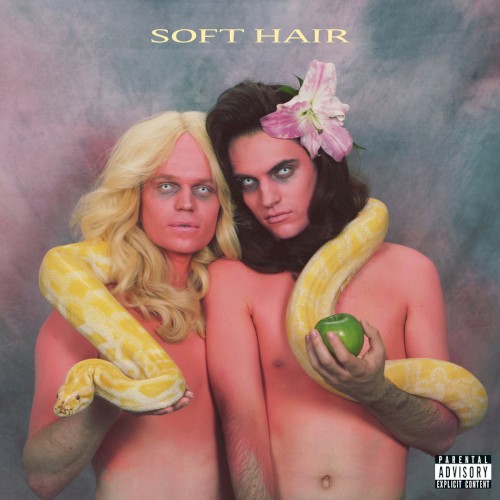
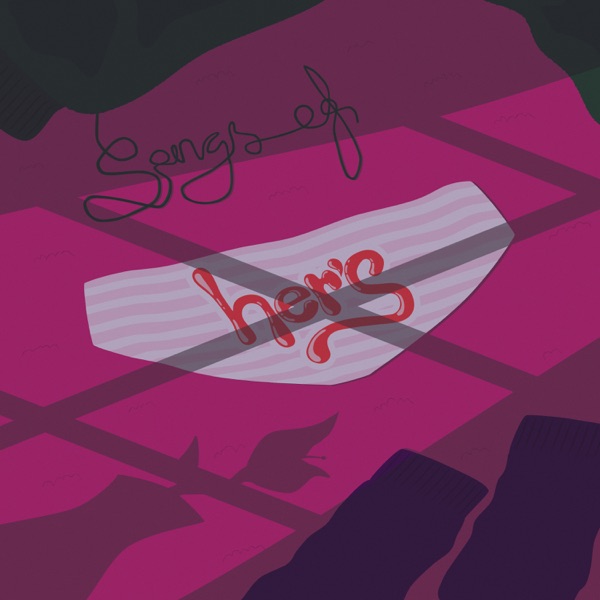
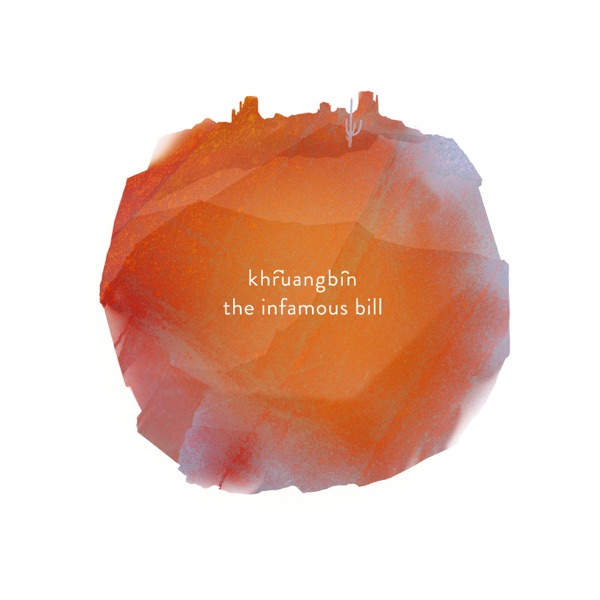
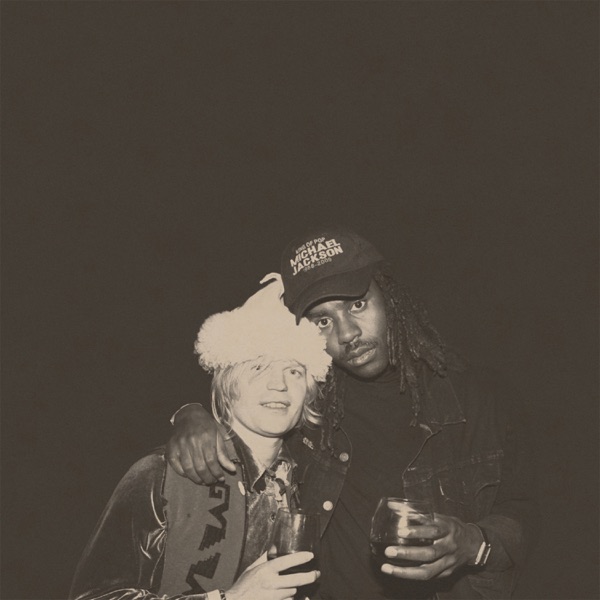
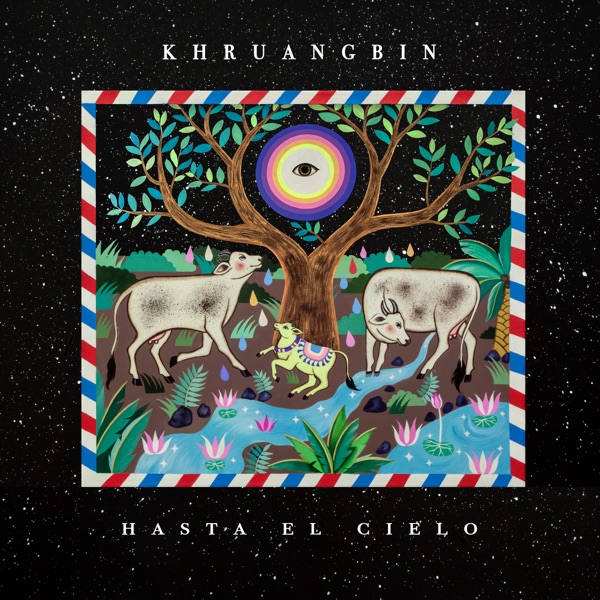
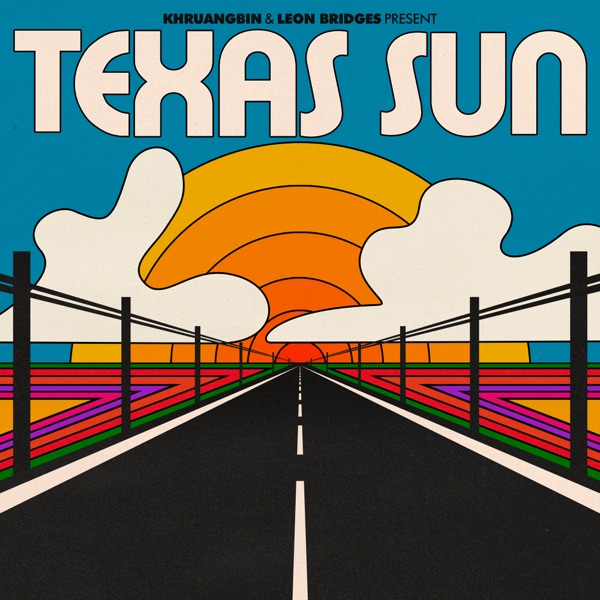
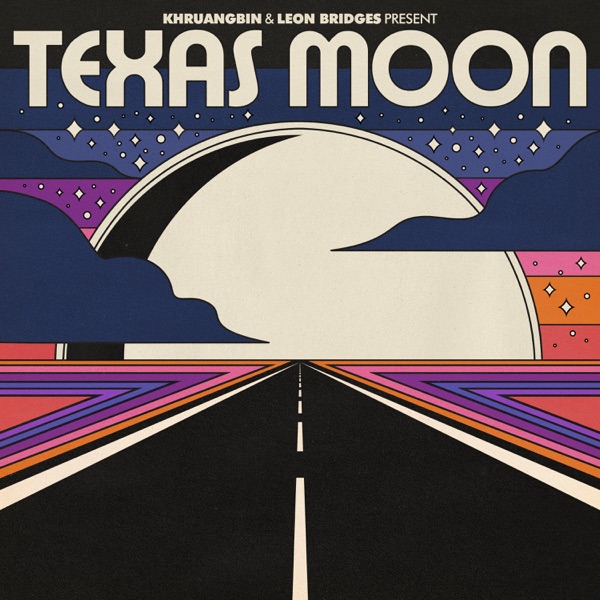
Album tiles sized by representation in the playlist · 53 unique releases · sorted descending · pause on hover
The Pareto problem.
Four artists. Sixty percent of the listens.
A list of one hundred favorites should, in principle, be a wide net. Mine isn't. The top four artists — Khruangbin, Tame Impala, Radiohead, Connan Mockasin — together account for 56 of the 100 slots. By the more honest metric — total lifetime listens — the same four artists account for 59% of all the music I've actually played. The concentration is not just present in the song count; it's amplified at the play level.
In economics this distribution is called a Pareto. In a personality, it reads as conviction. I am not a buffet listener. I find a band, I move into the back catalog, and I stay until I have lived inside the records long enough to know which third-track-on-side-B is secretly the best song. This list is the residue of that pattern.
Khruangbin alone — the Houston-based trio of Laura Lee, Mark Speer, and DJ Johnson — supplies 1,546 of my 7,323 lifetime listens, or 21% of the playlist's total play volume. That is not "I like that band"; that is a relationship.
Worth noting: Her's averages 76 plays per song over their four entries — punching above their song-count weight — while alt-J averages only 59. The song count tells you what's on the list. The listen count tells you what I actually play.
By song count
| Rank | Artist | Songs | % |
|---|---|---|---|
| A·01 | Khruangbin | 18 | 18% |
| A·02 | Tame Impala | 15 | 15% |
| A·03 | Radiohead | 14 | 14% |
| A·04 | Connan Mockasin | 9 | 9% |
| A·05 | The Beatles | 6 | 6% |
| A·06 | alt-J | 6 | 6% |
| A·07 | Mac DeMarco | 5 | 5% |
| A·08 | Red Hot Chili Peppers | 5 | 5% |
| A·09 | Her's | 4 | 4% |
| A·10 | Gorillaz | 2 | 2% |
By total listens (lifetime plays)
| Rank | Artist | Total plays |
|---|---|---|
| L·01 | Khruangbin18 songs · avg 86 | 1546 |
| L·02 | Radiohead14 songs · avg 81 | 1139 |
| L·03 | Tame Impala15 songs · avg 70 | 1049 |
| L·04 | Connan Mockasin9 songs · avg 73 | 654 |
| L·05 | The Beatles6 songs · avg 66 | 396 |
| L·06 | Mac DeMarco5 songs · avg 72 | 359 |
| L·07 | alt-J6 songs · avg 59 | 355 |
| L·08 | Her's4 songs · avg 76 | 302 |
| L·09 | Red Hot Chili Peppers5 songs · avg 58 | 291 |
| L·10 | Gorillaz2 songs · avg 78 | 155 |
The most-played tracks.
Where the head of the curve actually sits.
Per-track listen counts make the head-vs-tail dynamics impossible to hide. The top-ranked track, Khruangbin's "White Gloves," has been played 151 times — almost three times as often as the median track on the list. The top ten tracks alone account for 1,179 listens, or 16% of all the play volume across all 100 songs combined. The tail flattens fast: the bottom of the list contains six tracks tied at exactly 53 plays, suggesting that's roughly the threshold Spotify uses to decide what makes the cut.
| Rank | Track | Plays |
|---|---|---|
| T·01 | White GlovesKhruangbin · #1 on the list | 151 |
| T·02 | Charlotte's ThongConnan Mockasin · #2 on the list | 143 |
| T·03 | The SuburbsArcade Fire · #3 on the list | 125 |
| T·04 | People Everywhere (Still Alive)Khruangbin · #4 on the list | 118 |
| T·05 | No SurprisesRadiohead · #5 on the list | 115 |
| T·06 | Time (You and I)Khruangbin · #6 on the list | 112 |
| T·07 | What Once WasHer's · #7 on the list | 107 |
| T·08 | It Is Not Meant To BeTame Impala · #8 on the list | 103 |
| T·09 | Stairway to Heaven - RemasterLed Zeppelin · #9 on the list | 103 |
| T·10 | CreepRadiohead · #10 on the list | 102 |
| T·11 | Apocalypse DreamsTame Impala · #11 on the list | 100 |
| T·12 | Two Fish and an ElephantKhruangbin · #12 on the list | 100 |
| T·13 | Karma PoliceRadiohead · #13 on the list | 99 |
| T·14 | NudeRadiohead · #14 on the list | 98 |
| T·15 | Endors ToiTame Impala · #15 on the list | 97 |
| T·16 | Paranoid AndroidRadiohead · #16 on the list | 93 |
| T·17 | Ode to ViceroyMac DeMarco · #17 on the list | 92 |
| T·18 | Weird Fishes / ArpeggiRadiohead · #18 on the list | 92 |
| T·19 | Exit Music (For A Film)Radiohead · #19 on the list | 92 |
| T·20 | So We Won't ForgetKhruangbin · #20 on the list | 92 |
The top of the list is what you'd expect — slow, hazy psychedelia from Khruangbin's first record, plus the songs I've kept playing since college (Charlotte's Thong, The Suburbs, No Surprises). What surprises me reading this is how flat the ranking is in the middle: from rank ~30 onward, songs are within a 30-play window of each other. The top is genuinely the top; everything below ~rank 20 is essentially "tied for second tier."
Era cartography.
Where the years pile up.
Charted by decade of release, the playlist has a long, flat tail through the 1960s and 70s, an oddly thin 1980s (one song — the Pixies' "Where Is My Mind?" — does the entire decade's work), a respectable 1990s and 2000s plateau (mostly Radiohead), and then a 2010s mountain that contains more than half of every song on the list. The 2020s spike is almost a single year — most of those tracks come from Mordechai (June 2020) and The Slow Rush (February 2020), released within four months of each other.
A listener whose musical formation happened roughly between 2010 and 2015, who has assembled a backwards-compatible canon (Beatles, Pink Floyd, Hendrix, Zeppelin, Velvet Underground, the Animals) but largely skipped over the decade of new wave and synth-pop. The 1980s aren't missing because I dislike the music — Pixies are right there in the data — they're missing because I never went looking.
Sonic signature.
Hazy, reverb-saturated, slightly off-axis.
Despite the breadth of years and the four-artist concentration, the production palette across the list is remarkably consistent. If you played any ten random tracks in a row to a stranger, the unifying texture would arrive within the first thirty seconds: a bass-forward mix, generous tape reverb, drums recorded a little too closely, a vocal line sung in a falsetto or a loose middle register, and a tempo that never quite breaks into "danceable." This is contemplative funk and unhurried psychedelia — even the Radiohead tracks (No Surprises, Nude, Reckoner, Let Down, House of Cards, Weird Fishes/Arpeggi) skew toward the band's quietest, most internal records.
The genre map.
Each song bucketed to one primary genre (per-artist consistency rule), so the chart sums cleanly to 100. The collection is more than half psychedelic — Khruangbin's funk-instrumental tradition plus the Tame Impala / Connan / Foxygen / UMO revival school account for 46 of the 100 slots — with art-rock as the second pillar.
- Psychedelic Rock & Pop27 · 27%
- Art Rock · Alternative25 · 25%
- Psychedelic Funk · Global Instrumental19 · 19%
- Classic Rock Canon (60s–70s)12 · 12%
- Indie · Jangle · Bedroom Pop9 · 9%
- Funk Rock5 · 5%
- Chillwave · Electronic3 · 3%
Khruangbin functions as the connective tissue. Their instrumental grammar — mid-tempo grooves drawing on Thai funk, Persian classical, dub reggae, and Stax-era soul — happens to share a great deal of vocabulary with Tame Impala's bedroom-psychedelic phase, with Connan Mockasin's mannered surrealism, with Mac DeMarco's jangly slacker-pop, and even with the In Rainbows-era Radiohead aesthetic. One could almost program a "Ramie's brain" playlist that none of these artists ever recorded, just by interpolating between them.
10 of the 100 tracks are explicit instrumentals or interludes — roughly ten times what you would find on a typical Top 100 list. The collection actively prefers texture over lyric. When the lyrics arrive, they tend to be either melancholic-introspective (Radiohead's mode) or romantic-impressionistic (Khruangbin & Leon Bridges; Her's; the Beatles' love ballads). There is essentially no political content, no hip-hop syntax, no high-octane rock energy. Nothing here would fit at a wedding reception.
- Vocal Track90 · 90%
- Instrumental / Interlude10 · 10%
- 1960s8 · 8%
- 1970s4 · 4%
- 1980s1 · 1%
- 1990s11 · 11%
- 2000s11 · 11%
- 2010s53 · 53%
- 2020s12 · 12%
Album obsessions.
Records, not singles.
The artist concentration becomes sharper at the album level. Khruangbin's Mordechai (2020) supplies six of the 100 tracks — the single most-represented record. Five-track tier: The Universe Smiles Upon You, OK Computer, Lonerism, In Rainbows. Together with the four-track tier, the top nine albums account for 42 of 100 songs.
This is what a record collector's data looks like, not a playlist hopper's. I hear an album, I keep the album, the album keeps appearing in shuffle, the playcount accumulates. Two albums of Forever Dolphin Love here are worth more than a hundred passing radio hits.
Honorable mention: Abbey Road (1969) places four songs in the top 100. The Beatles' tightly-edited late catalog rewards exactly this kind of deep-listening pattern — short songs, sequenced as a suite, every cut load-bearing.
| Rank | Album | Tracks |
|---|---|---|
| B·01 | MordechaiKhruangbin · 2020 | 6 |
| B·02 | OK ComputerRadiohead · 1997 | 5 |
| B·03 | In RainbowsRadiohead · 2007 | 5 |
| B·04 | LonerismTame Impala · 2012 | 5 |
| B·05 | The Universe Smiles Upon YouKhruangbin · 2015 | 5 |
| B·06 | Abbey RoadThe Beatles · 1969 | 4 |
| B·07 | InnerspeakerTame Impala · 2010 | 4 |
| B·08 | Forever Dolphin LoveConnan Mockasin · 2011 | 4 |
| B·09 | The Slow RushTame Impala · 2020 | 4 |
| B·10 | Con Todo El MundoKhruangbin · 2018 | 3 |
| B·11 | Invitation to Her'sHer's · 2018 | 3 |
| B·12 | The White AlbumThe Beatles · 1968 | 2 |
Statistical curiosities.
Things that fall out of the data.
Two "House of the Rising Sun"s.
The Animals' 1964 reading sits at #50. alt-J's 2014 reading sits at #60. Two completely different arrangements of the same pre-WWII folk song, fifty years apart, both in my top 100. Either I have a thing for the song, or I have a thing for cover-as-reinterpretation. Both, probably.
The 8-minute Connan track.
"Charlotte's Thong" — Connan Mockasin's sprawling, falsetto, vaguely sinister ballad — clocks in at 8m 56s and is ranked #2. The longest song in the entire list, and a sui generis piece of music that most listeners experience as a curiosity at best. For me it is essentially a comfort object.
Connan Mockasin appears under three banners.
Nine tracks as the lead artist; one as Soft Hair (his project with LA Priest); one as a co-credit with Devonté Hynes. That is 10+ effective appearances by one mannered New Zealander, hidden across credits. The data doesn't lie about what I actually listen to.
White Gloves: 151 plays.
The single most-played track on the list. Across the full top 100, the median song has been played 66 times — meaning my number-one track has been played roughly 2.3× more than the median. The shape of the curve is steep at the top and very flat in the middle.
Her's punches above its weight.
Four songs on the list, but they average 76 plays each — the highest per-song average in the top tier. By contrast alt-J has 6 songs averaging only 59 plays, and RHCP has 5 averaging 58. Some artists fill slots; some artists fill ears.
Mean track 4m 14s, median 4m 12s.
A typical pop song is around 3m 20s. Mine averages a full minute longer. The list contains six songs over six minutes long and ten under three minutes. I prefer compositions that have time to breathe — and I don't need a chorus on loop within ninety seconds.
What is conspicuously absent.
The negative space tells almost as much as the positive. There is no hip-hop on this list — none. No country. No metal. No house, techno, drum-and-bass, or anything that would fill a club. The female lead-vocalist count rounds to zero. There is no jazz proper (Connan Mockasin's "Faking Jazz Together" is a joke, not a genre). There is no contemporary pop, no Beyoncé or Frank Ocean or Kendrick — artists I admire intellectually but apparently do not live with. Almost nothing on the list was released after 2022.
Geographically, it is overwhelmingly Anglophone — UK, US (especially Texas, courtesy of Khruangbin), Australia (Tame Impala), New Zealand (Mockasin). The Spanish-language Khruangbin tracks ("Cómo Me Quieres", "Maria También") and the global samples woven into the band's instrumentals are the closest thing to non-English content. There is no K-pop, J-pop, Latin, Afrobeats, or Arabic music — striking, given my own background, and a gap I notice with some surprise when laid out this plainly.
The takeaway is not that I dismiss any of these traditions. It is that "favorite" — operationalized as "what I actually replay over and over" — turns out to be a much narrower category than "music I enjoy". The first is governed by mood-regulation and habit; the second is governed by curiosity. The data is reporting the first.
A diagnosis.
What this collection is for.
Read as a single object, my top 100 is a soundtrack for thinking — not for celebrating, not for moving the body, not for shaking off a bad day, but for the long flat stretches where attention needs to settle and the inner voice needs cover.
The aesthetic — warm, hazy, slightly off-kilter, melodically generous, often slow — is the music of the late drive home, the quiet first hour at a desk, the long-haul flight, the intern call rooms after hours. It pairs with reading and with writing and with looking out a window. It does not pair with exercise or with cooking for a dinner party. The collection has, in this sense, a job: it is the ambient layer underneath cognitive work.
That the same artists keep appearing — and that the list has clearly stabilized over years rather than refreshing constantly — is, on reflection, a feature. If your favorite music is a tool, the tool ought to fit the hand. Khruangbin's instrumentals fit the hand. Lonerism fits. Mordechai fits. In Rainbows fits. The list is doing what a tool should do: it is dependable.
If there is a self-criticism to extract, it is the negative space. I would like, in the next decade of listening, to learn to live with the music I currently only admire from a distance. To rebuild my "favorites" category to look a little more like the world. The data, helpfully, makes the gap impossible to ignore.
All artists, by song count.
| # | Artist | n |
|---|---|---|
| 01 | Khruangbin | 18 |
| 02 | Tame Impala | 15 |
| 03 | Radiohead | 14 |
| 04 | Connan Mockasin | 9 |
| 05 | The Beatles | 6 |
| 06 | alt-J | 6 |
| 07 | Mac DeMarco | 5 |
| 08 | Red Hot Chili Peppers | 5 |
| 09 | Her's | 4 |
| 10 | Gorillaz | 2 |
| 11 | Pink Floyd | 2 |
| 12 | Arcade Fire | 1 |
| 13 | Led Zeppelin | 1 |
| # | Artist | n |
|---|---|---|
| 14 | Foxygen | 1 |
| 15 | The Animals | 1 |
| 16 | Jimi Hendrix | 1 |
| 17 | The Velvet Underground | 1 |
| 18 | Unknown Mortal Orchestra | 1 |
| 19 | Nirvana | 1 |
| 20 | Washed Out | 1 |
| 21 | Pixies | 1 |
| 22 | The xx | 1 |
| 23 | Maribou State | 1 |
| 24 | Chrome Sparks | 1 |
| 25 | Soft Hair | 1 |